How to Choose the Right Spill Pallet for Your Facility in the UAE
Introduction
If your facility stores drums, IBCs, or chemical containers, a spill pallet in the UAE isn’t optional equipment. It’s the barrier between a routine storage area and a serious environmental or safety incident.
The challenge most facility managers face isn’t whether they need one. It’s figuring out which size, configuration, and material actually fits their storage setup. Get it wrong, and you either end up with containment that’s too small for your drums or a unit that takes up more floor space than your facility can spare.
This guide walks through the practical factors worth checking before you order, so the spill pallet you choose actually matches how your site operates.
What a Spill Pallet Actually Does
A spill pallet is a raised containment platform with a built-in sump beneath the deck. Drums or IBCs sit on top, while any leaks, drips, or ruptures collect in the sump below instead of spreading across the floor.
This matters for two reasons. First, it keeps hazardous or non-hazardous liquids contained long enough to be cleaned up safely. Second, it supports the kind of secondary containment practice that environmental and safety audits typically look for on sites handling chemicals, oils, or industrial liquids.
Without one, a single leaking drum can contaminate flooring, drainage systems, or nearby storage, turning a minor issue into a costly cleanup.
Step 1: Identify What You're Storing
Before comparing capacities or configurations, start with what’s actually going on the pallet.
Drums
Standard 205-litre drums are the most common use case. The number of drums you need to store at once determines whether a single-drum unit is enough or whether you need a multi-drum configuration.
IBC Totes
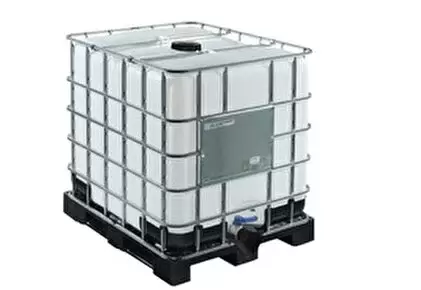
Intermediate bulk containers hold significantly more liquid and require a dedicated IBC-rated spill pallet with a higher sump capacity, since a single IBC failure releases far more liquid than a standard drum.
Mixed Storage
Some facilities store drums and IBCs in the same area. In this case, it’s worth checking whether a combined containment solution or separate units for each container type makes more sense for your layout.
Step 2: Match Sump Capacity to Regulatory Expectations
A general rule followed across most industrial storage guidelines is that a spill pallet’s sump should hold at least 110% of the largest single container’s volume, or a defined percentage of total stored volume, whichever is greater. This ensures that even if the largest container fails completely, the sump can contain the release without overflow.
Practical example: if you’re storing four 205-litre drums, the sump needs to comfortably exceed the volume of at least one full drum, with margin for splashing and simultaneous partial leaks. Undersized containment defeats the purpose of having a spill pallet at all.
Step 3: Consider the Number of Containers per Unit
Spill pallets typically come in configurations built around specific drum counts, from single-drum units up to four-drum platforms, along with low-profile versions designed for easier loading with pallet trucks or hand trolleys.
Single and Two-Drum Units
Suited to smaller storage areas, labs, or facilities with lower liquid volume requirements. These take up less floor space and are easier to position in tight areas.
Four-Drum Units
Better suited to warehouses or industrial sites handling higher volumes, where consolidating containment into fewer, larger units reduces the total footprint compared to multiple smaller pallets.
Low-Profile Options
Useful where forklift or pallet truck access is limited, or where a lower loading height improves manual handling safety for staff.
Step 4: Think About Floor Space and Layout
Spill pallets need to sit somewhere accessible, both for loading and for periodic inspection. Before ordering, measure the intended storage area and account for:
- Clearance needed for pallet trucks or forklifts to approach from the correct side
- Space around the unit for drum rotation, labeling checks, and inspection
- Any weight limits on raised flooring, mezzanines, or storage racks if the pallet won’t sit on ground level
A unit that looks compact on a spec sheet can still create bottlenecks if it doesn’t match your actual floor plan.
Step 5: Check Material Compatibility
Most spill pallets are molded from high-density polyethylene, chosen because it resists a wide range of chemicals, oils, and acidic substances without degrading. Still, it’s worth confirming compatibility with whatever your facility specifically stores, since certain aggressive solvents may require different construction than standard chemical storage.
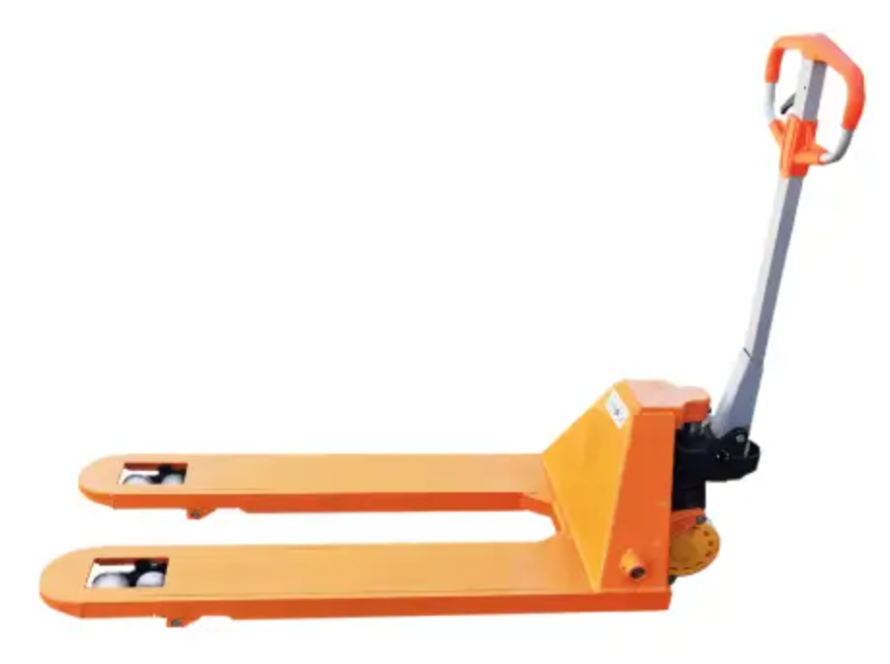
Where drums also need to be shifted between locations rather than staying static, it’s worth pairing a spill pallet with the right handling equipment. Alfa Plastic’s material handling equipment range, including drum trucks and stackers, is built for exactly this kind of movement around a storage or containment area.
Spill Pallets vs Spill Kits: Which Do You Need?
This is one of the more common points of confusion. A spill pallet is a passive containment structure that catches leaks before they happen. A spill kit is a reactive response tool, containing absorbents, barriers, and PPE used to clean up a spill once it’s already occurred.
Most facilities storing liquids benefit from having both: containment in place to prevent spread, and a response kit ready in case something still gets past it. Neither fully replaces the other.
Don’t Overlook Spill Trays and Overpack Drums
For smaller-scale storage, such as a single container, a maintenance area, or a workshop bench, a full spill pallet may be more than what’s needed. In these cases, a spill tray offers lightweight, low-profile containment for individual containers or smaller equipment.
If you’re dealing with a damaged, leaking, or corroded drum that needs to be safely transported or stored without further contamination, overpack salvage drums are built specifically for that scenario, fully enclosing a compromised container until it can be dealt with properly.
Common Mistakes When Selecting a Spill Pallet
A few recurring issues come up when facilities choose containment without fully assessing their needs first:
Undersizing the Sump
Choosing a unit based on drum count alone, without checking sump volume against regulatory expectations, is one of the most common oversights. Capacity matters as much as configuration.
Ignoring Access Requirements
A spill pallet positioned without enough clearance for loading equipment often ends up being underused, since staff avoid awkward or time-consuming positioning.
Treating It as a One-Time Purchase
Storage needs change as operations scale. It’s worth reassessing containment needs periodically rather than assuming the original setup still fits current volume.
Where IBC Storage Fits In
If your facility uses intermediate bulk containers for liquid storage or transport, it’s also worth reviewing compatible IBC tank options alongside your containment planning, particularly if you’re setting up or expanding a liquid storage area from scratch.
Making the Final Decision
Choosing the right spill pallet in the UAE comes down to matching three things: what you’re storing, how much of it, and how your facility’s layout supports safe loading and inspection. Getting these right the first time avoids the cost and disruption of replacing undersized or poorly placed containment later.
Alfa Plastic supplies a full range of spill pallets, from single-drum units to four-drum and IBC-rated configurations, alongside spill trays and overpack drums for smaller or specialized containment needs. You can review the complete range on the spill pallets and spill kits page to compare configurations against your storage requirements.
Get the Right Containment Setup for Your Site
If you’re planning or upgrading spill containment for drums, IBCs, or chemical storage, enquire with Alfa Plastic today to discuss your capacity, layout, and container types. Our team can help match the right configuration to your facility.